
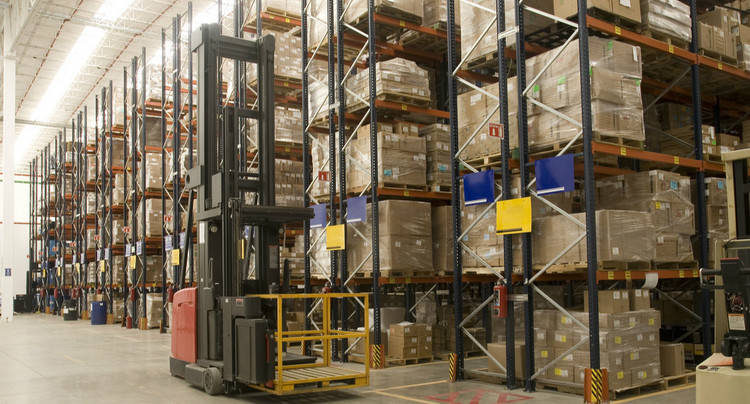
Many cross-border sellers have a batch of products like this stuck in their hands: they've been listed for over half a year, there was some movement initially, but later traffic became smaller and smaller, a lot of ad spend went in, yet the conversion rate kept dropping day by day.
Throw them away? Inventory is sitting in overseas warehouses, and disposing of it means real losses; continue pushing? It feels like pouring money into a bottomless pit with no hope of turning around. This is almost a dilemma that everyone in the cross-border business encounters.

Image source: Google
Actually, old products are not beyond saving. It's just that they have fallen out of the platform's "new product traffic pool," and if you keep using the logic of promoting new products, you'll naturally get half the results with twice the effort.
Those who truly manage to revitalize old products are often not fighting the platform algorithm, but rather re-understanding what role this product should play at its current stage.
Below, let's talk about a few highly practical ideas for a second boost.
Redefine target users and find overlooked use scenarios
Many old products don't sell not because the product is bad, but because the user group initially positioned has become saturated. For example, a portable juicer, when first promoted, targeted urban office workers, and almost everyone who would buy one has already bought it.

Image source: TikTok Shop
But if you think about it from another angle, don't moms who take their kids out also need it? Don't people camping outdoors have this need? Can't people drinking protein powder in the gym use it conveniently?
The direction of adjustment is actually very simple: find out who else the product can serve and in what situations it might still be needed, then make it possible for these new users to search for it, understand it, and be willing to try it.
Leverage existing old customers to create second-round word-of-mouth at low cost
When promoting a new product, your customer list is empty. But when promoting an old product, you actually hold real users who have already bought your product. This is the most valuable resource for turning an old product around. It's just that many people treat customer relationships as a "one-off deal" and lose contact after the sale.
The truly smart approach is to activate those users who have previously bought your product and left positive reviews.
For example, through email or in-platform fan engagement tools, tell them that new accessories or new colorways have been launched for this old product, or simply collect usage feedback and invite them to participate in testing feedback for the old product upgrade. These users already have a foundation of trust in the brand, and the cost for them to try again is far lower than that of a brand-new user.

Image source: Google
More importantly, these people themselves are the best word-of-mouth propagation nodes. You can even design a simple incentive mechanism, such as old users recommending friends to buy this old product, with both parties getting a discount. You don't need a complicated system; a dedicated promo code and a simple referral link are enough.
When the old product starts generating natural traffic from social referrals again, the platform algorithm will keenly capture this signal and reallocate traffic entry points to you.
Use bundling sales and related traffic to boost old product exposure
The biggest pain point of old products is the lack of natural traffic entry points, but they have an advantage that new products don't: you already know which products have strong associations with them. What can you do with this information? The answer is bundling.
There are two specific operations. The first is physical bundling: create a combo sale of the slow-moving old product with a best-selling product in your store, such as buy A get B free, or a discount for the A+B bundle. The bestseller's traffic will carry the old product along, buyers will feel they got a good deal, and you'll naturally clear inventory.

Image source: TikTok Shop
The second is logical bundling: in the bestseller's main image, detail page, and A+ page, arrange a supporting recommendation slot for the old product.
For example, if you've sold a lot of a pair of Bluetooth earbuds, then the previously slow-moving earbud storage case and silicone protective case can appear in the recommendation section as "best partner" items. Once users have decided to buy the earbuds, the decision cost of spending a few more yuan on a storage case or protective case is extremely low, and conversion rates often exceed expectations.
Micro-iteration plus content restart, telling a new story for an old product.
Many sellers get a headache when they hear 'iteration', thinking they need to re-tool molds, restock, and re-certify, with costs too high. But in reality, micro-iteration of old products doesn't require changing the product itself; you only need to change users' perception of it.
For example, an ordinary camping lantern initially only emphasized high brightness and long battery life. After selling for over half a year without moving, you find that the real pain point is not that the light isn't bright enough, but that during camping the lantern is easily blown over by wind or knocked over by children.
At this point, what could your iteration plan be? Develop a base or hook accessory with extremely low cost, but you can shift the story theme in all marketing content from a brighter camping lantern to a camping lantern that can't be blown over. The same core product, with a new value anchor, changes the entire market space.

Image source: TikTok Shop
Conclusion
Reviving old products actually relies on precisely finding that overlooked breakthrough. Either tell the story to a different group of people, let old customers speak for you, borrow the momentum of a hit product to give a boost, or give the product a new value anchor.
These four directions don't need to be done simultaneously. Choose the one you're best at and that best matches your resources, and start running with it to see.
On this going-global journey, in the end, it's not about who launches new products faster, but who can extract the value from every product on hand more thoroughly.
Those old products that seem unsellable are often just waiting for a chance to be understood anew. I hope today's ideas can help you turn the old goods in your hands into the starting point for the next wave of growth.
What this signal means for growth teams
This market signal should be treated as an operating prompt, not a standalone trend. The brand question is whether the team can connect TikTok content, creators, paid media, commerce readiness, and reporting into one measurable growth cycle.
Commercial read
- Market signal: TikTok marketing tips - short video marketing methods
- Published: August 21, 2026
- Commercial lens: TikTok Ads, creators, TikTok Shop, live commerce, and reporting.
- Source transparency: the original source linked in this article
What brands should do next
- Identify the market, audience, product group, and KPI this signal could affect.
- Turn the insight into a small TikTok creative, creator, Shop, or paid media test before scaling spend.
- Add FAQ, offer clarity, product proof, and contact paths so traffic can convert instead of only reading.
- Review weekly performance across reach, click quality, Shop actions, creator output, and revenue impact.
Tuke Marketing helps brands connect TikTok Ads, creator partnerships, TikTok Shop operations, live commerce, and reporting into one accountable operating system.
What should brands do with this TikTok signal?
Brands should translate the signal into a focused operating test across creative, creators, TikTok Shop readiness, paid media, and reporting before increasing budget.
How does Tuke Marketing evaluate this kind of news?
Tuke Marketing reviews platform news through market timing, category demand, creator supply, commerce readiness, and measurable growth actions.
When should a team contact Tuke about this topic?
A team should contact Tuke when it needs to turn a TikTok market signal into a practical launch, creator, advertising, live commerce, or reporting plan.
Source transparency: Tuke cites the original source linked in this article and adds its own operating analysis for brands evaluating TikTok growth decisions.